
Quishing: The Rising QR Code Threat Businesses and Consumers Must Understand
QR codes have become a convenient part of everyday life, but cybercriminals are now exploiting them through a growing threat known as quishing. This form of social engineering hides malicious links inside QR codes delivered through emails, text messages, and even physical advertisements. Learn how quishing attacks work, what warning signs to look for, and the steps businesses and individuals can take to reduce the risk.
AI in 2026: Why Security Must Be the Foundation of the Next Technological Revolution
Artificial Intelligence is no longer experimental. In 2026, it is embedded in business operations, customer experiences, and everyday decision-making. As AI adoption accelerates, security, governance, and responsible use must move from afterthoughts to foundational requirements for organizations and consumers alike.
Most Businesses Don’t Know Their Cyber Risk Until It’s Too Late
This cybersecurity readiness assessment helps organizations understand their current security posture and identify priority areas for improvement.
Cybercriminals Love the Holidays: How to Protect Yourself and Your Business
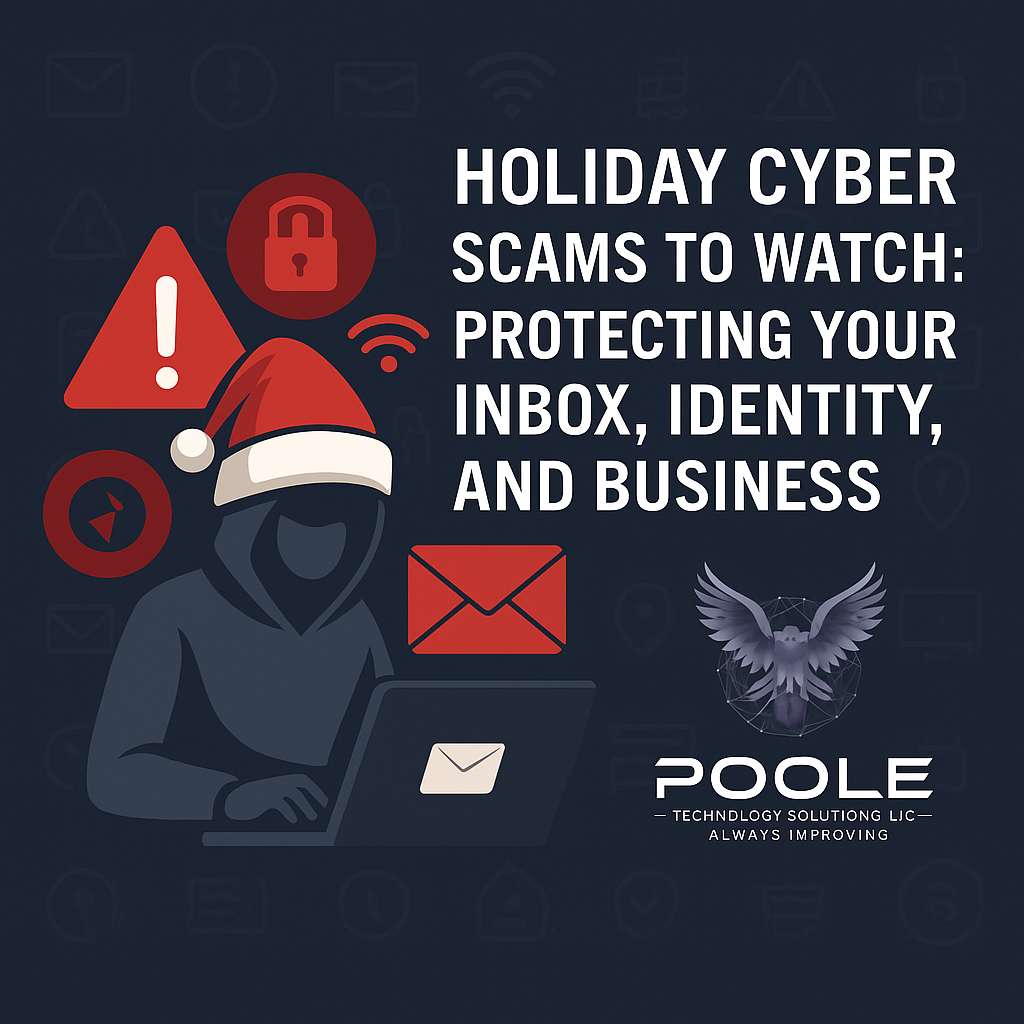
Holiday scammers take advantage of the busy season by launching targeted email, text, and domain impersonation attacks. From fake delivery alerts to TOAD schemes and look-alike domains, both consumers and businesses face heightened risk. This guide explains the latest threats and practical steps to stay protected during the holidays.
Google Tightens Bulk Sender Rules: Are You Ready?
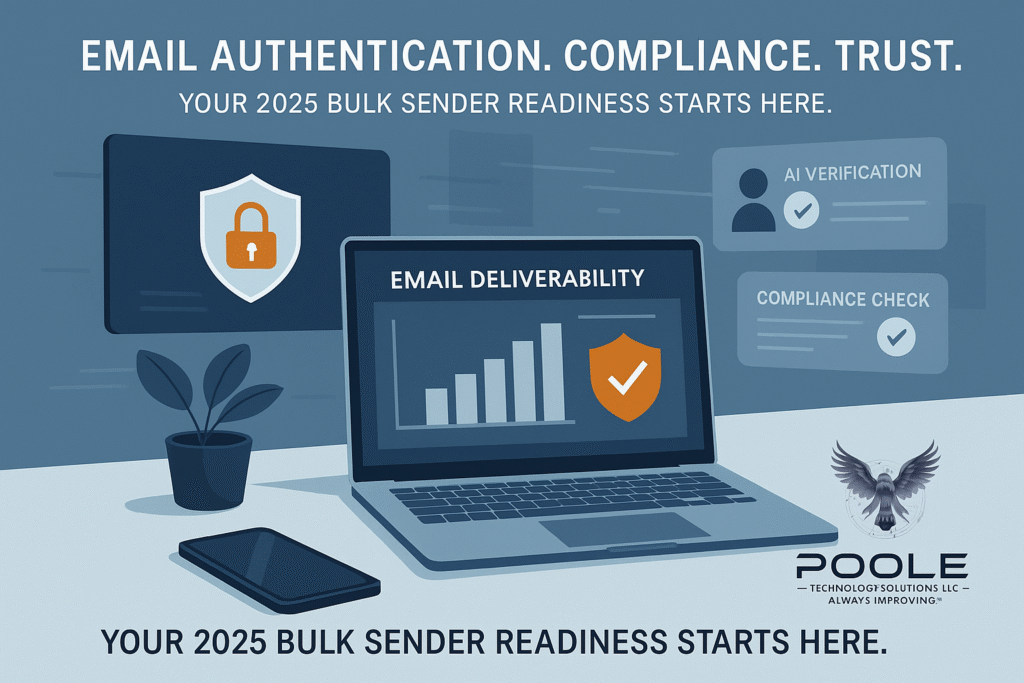
Gmail’s new bulk sender rules are reshaping email marketing and deliverability. Starting November 2025, senders must align SPF and DKIM, publish DMARC, and maintain complaint rates below 0.3 %. At Poole Technology Solutions, we help businesses prepare now to ensure compliance and protect their brand reputation.
NIST CSF 2.0 for Small Teams: A 30-Day Quick Start Guide
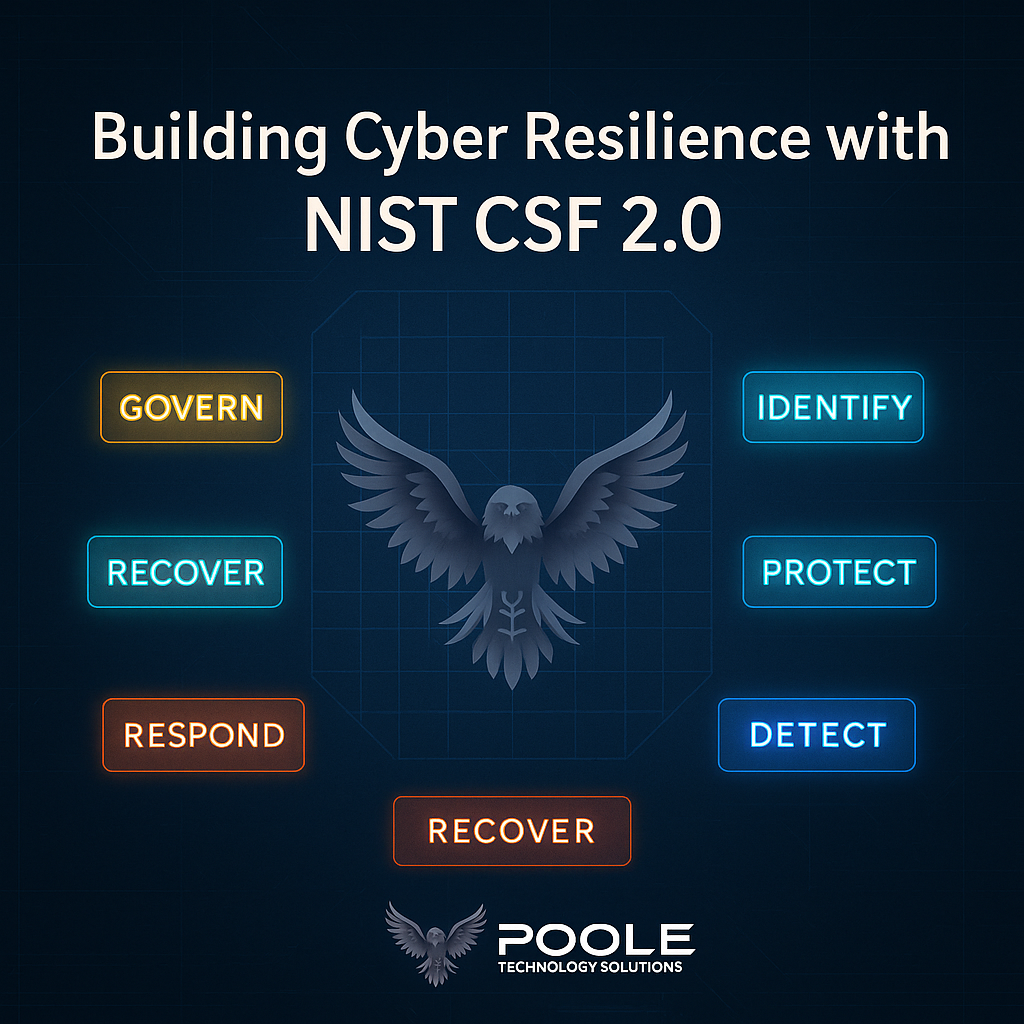
Cybersecurity doesn’t have to be complex to be effective. NIST CSF 2.0 gives small and mid-sized organizations a practical blueprint for identifying risks, protecting systems, and building long-term resilience. In this 30-day quick start, Poole Technology Solutions shows how to turn framework goals into achievable, real-world action.
🚨 End of an Era: Windows 10 Support Is Ending — What Businesses and Users Need to Know Before October 2025
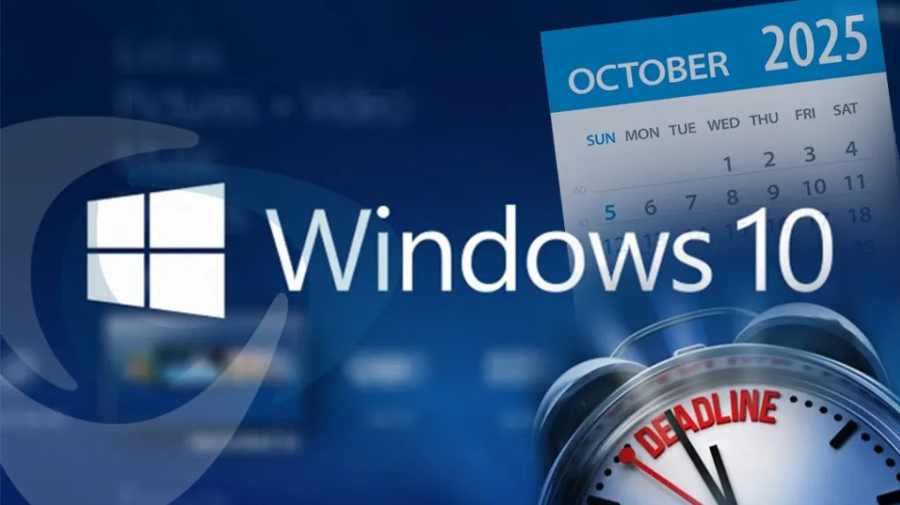
Microsoft will officially end support for Windows 10 on October 14, 2025, marking the end of regular security updates and technical support. While Microsoft’s Extended Security Updates (ESU) program offers one extra year of protection, it’s a temporary fix — not a long-term solution. Now is the time to plan your migration strategy and safeguard your organization against post–end-of-life vulnerabilities.
How Microsoft 365’s Direct Send & Direct Delivery Threats Are Quietly Undermining Email Security
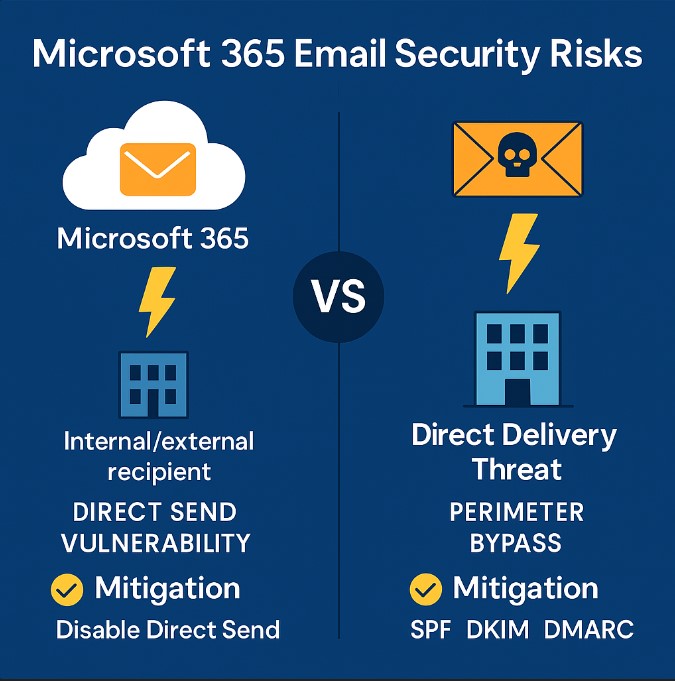
Small and midsized businesses are increasingly targeted by attackers abusing Microsoft 365 mail flow. Direct Send and Direct Delivery threats exploit trust and configuration gaps — but with the right controls, they can be shut down. Here’s what every SMB needs to know.
Ransomware at the New Orleans Parish Sheriff’s Office: What’s at Stake for Law Enforcement
When ransomware hit the Orleans Parish Sheriff’s Office in September 2025, core jail systems stayed online thanks to segmentation—but other networks were disrupted. The attack is a wake-up call for law enforcement agencies everywhere: protecting criminal justice data, inmate records, and even detainee health information is mission critical. In this blog, we break down what happened, what’s at risk, and the practical steps agencies can take to strengthen defenses while staying compliant with CJIS, HIPAA, and other regulations.
PayPal Data Leak 2025: What SMBs Need to Know About Breaches, Leaks, and Credential Theft
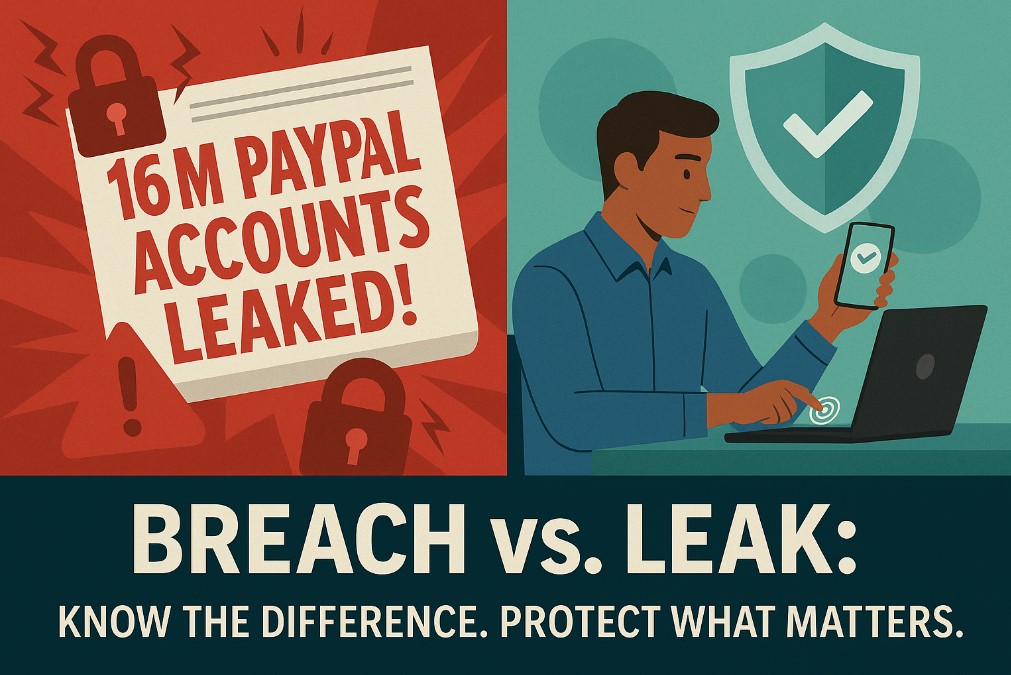
When headlines scream “16 million PayPal accounts leaked,” it’s easy for business leaders to assume the worst: that PayPal itself has been hacked. But as with many splashy cyber stories, the truth is more nuanced—and more relevant to small and midsize businesses (SMBs) than you might think.