
Cyber Risk in Education: Protecting Digital Classrooms
As schools and universities return to the classroom, cyber threats are returning with them. Business Email Compromise (BEC), phishing, ransomware, compromised accounts, third-party risks, and domain impersonation can threaten students, finances, data, and institutional operations. Learn practical steps educational institutions can take to reduce cyber risk, strengthen email and identity security, and prepare for changes introduced by DMARC RFC 9989.
Georgia Water System Cyberattacks: 7 Cybersecurity Lessons Every Business Should Learn
Recent cyberattacks targeting Georgia water systems demonstrate how quickly cybersecurity threats can become operational disruptions. From compromised access to attempts to manipulate critical equipment, these incidents offer important lessons for businesses of every size. Learn seven practical steps organizations can take to reduce cyber risk, strengthen resilience, and protect the systems their operations depend on.
RFC 9989: What Every Organization Needs to Know About the New DMARC Standard
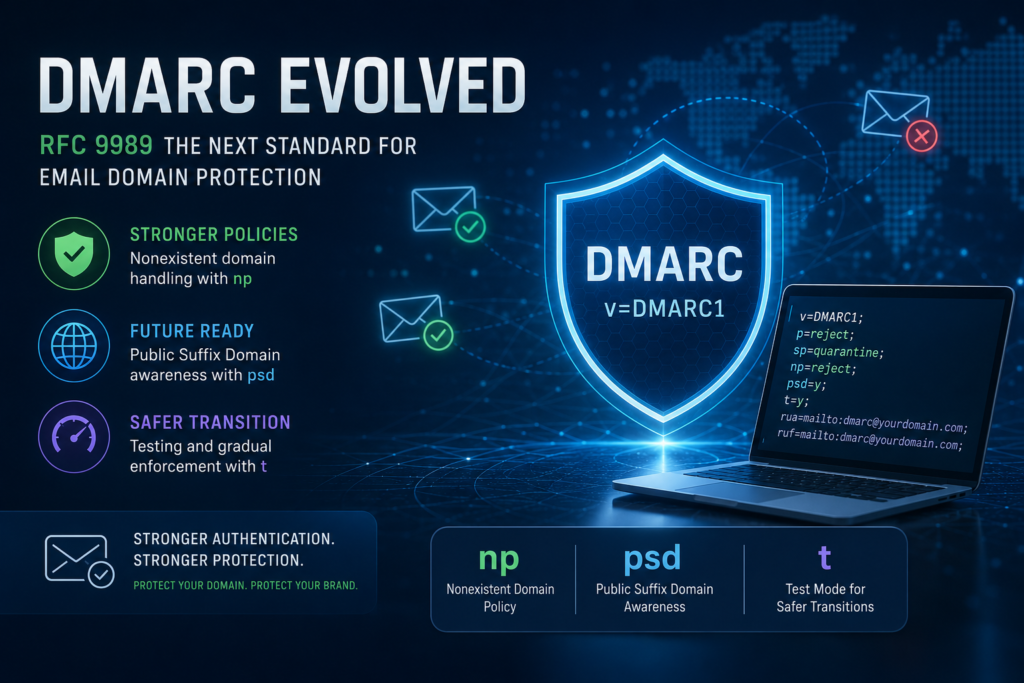
DMARC has evolved. With the publication of RFC 9989, organizations now have new capabilities to better protect their domains, including policies for nonexistent subdomains, Public Suffix Domains, and improved testing. Learn what has changed from RFC 7489, what it means for existing DMARC deployments, and how to prepare your email authentication strategy for the future.
Zoom Security Update Fixes Critical Account Takeover Vulnerability: What Businesses Need to Know
Zoom has released security updates to address a critical vulnerability that could allow remote account takeover on affected Windows systems. If your business relies on Zoom for daily collaboration, now is the time to verify you’re running the latest version. Learn what this vulnerability means, the steps you should take to reduce your risk, and how a proactive cybersecurity strategy can better protect your organization from emerging threats.
Cybersecurity Governance for SMBs: A Practical Guide for Business Owners
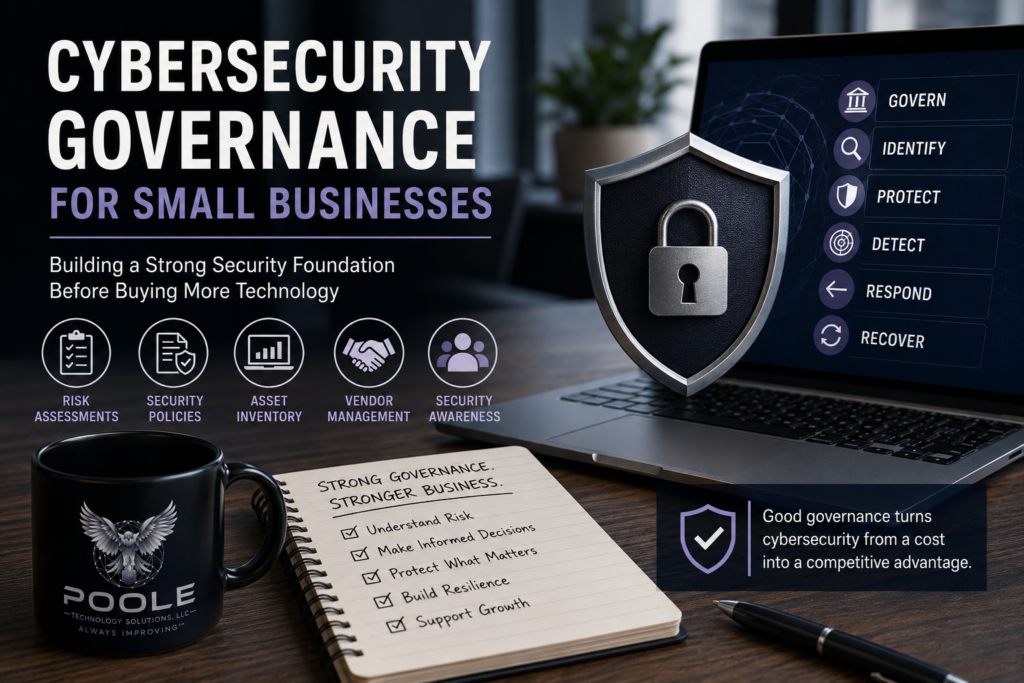
Many small businesses invest in cybersecurity tools but overlook the governance practices that make those tools effective. Learn how cybersecurity governance, risk assessments, security policies, and the NIST Cybersecurity Framework (CSF) 2.0 can help your organization build a stronger security foundation and better manage cyber risk.
Fake Recruiters on LinkedIn: How to Protect Yourself and Your Business

LinkedIn and online job platforms have become valuable tools for career growth, but cybercriminals and foreign threat actors are increasingly using them to target professionals and businesses. Learn how to identify fake recruiters, protect sensitive information, and reduce your risk.
Preparing for PCI DSS v4.0: Why DMARC Compliance Matters More Than Ever

To meet new PCI DSS v4.0 requirements, organizations must implement and enforce strict DMARC policies to combat phishing and spoofing threats. This blog breaks down what DMARC is, why it matters, and how aligning with email authentication best practices protects your brand, your customers, and your compliance standing.