
Cybersecurity Threats Are Putting Small Business Profits at Risk. Is Your Business Prepared?

Cyber threats can put small business profits, operations, and customer trust at risk. Discover how proactive cybersecurity practices and risk-based strategies from Poole Technology Solutions can help identify vulnerabilities, minimize financial exposure, and strengthen business resilience before threats become costly disruptions.
Cyber Risk in Education: Protecting Digital Classrooms
As schools and universities return to the classroom, cyber threats are returning with them. Business Email Compromise (BEC), phishing, ransomware, compromised accounts, third-party risks, and domain impersonation can threaten students, finances, data, and institutional operations. Learn practical steps educational institutions can take to reduce cyber risk, strengthen email and identity security, and prepare for changes introduced by DMARC RFC 9989.
Georgia Water System Cyberattacks: 7 Cybersecurity Lessons Every Business Should Learn
Recent cyberattacks targeting Georgia water systems demonstrate how quickly cybersecurity threats can become operational disruptions. From compromised access to attempts to manipulate critical equipment, these incidents offer important lessons for businesses of every size. Learn seven practical steps organizations can take to reduce cyber risk, strengthen resilience, and protect the systems their operations depend on.
RFC 9989: What Every Organization Needs to Know About the New DMARC Standard
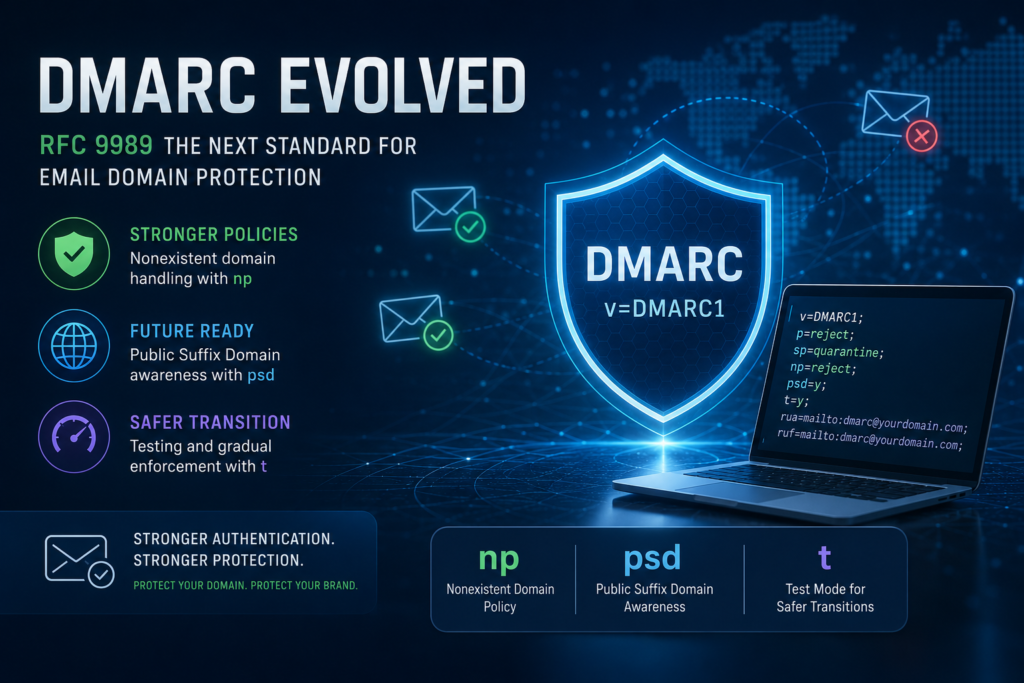
DMARC has evolved. With the publication of RFC 9989, organizations now have new capabilities to better protect their domains, including policies for nonexistent subdomains, Public Suffix Domains, and improved testing. Learn what has changed from RFC 7489, what it means for existing DMARC deployments, and how to prepare your email authentication strategy for the future.
Zoom Security Update Fixes Critical Account Takeover Vulnerability: What Businesses Need to Know
Zoom has released security updates to address a critical vulnerability that could allow remote account takeover on affected Windows systems. If your business relies on Zoom for daily collaboration, now is the time to verify you’re running the latest version. Learn what this vulnerability means, the steps you should take to reduce your risk, and how a proactive cybersecurity strategy can better protect your organization from emerging threats.
Cybersecurity Governance for SMBs: A Practical Guide for Business Owners
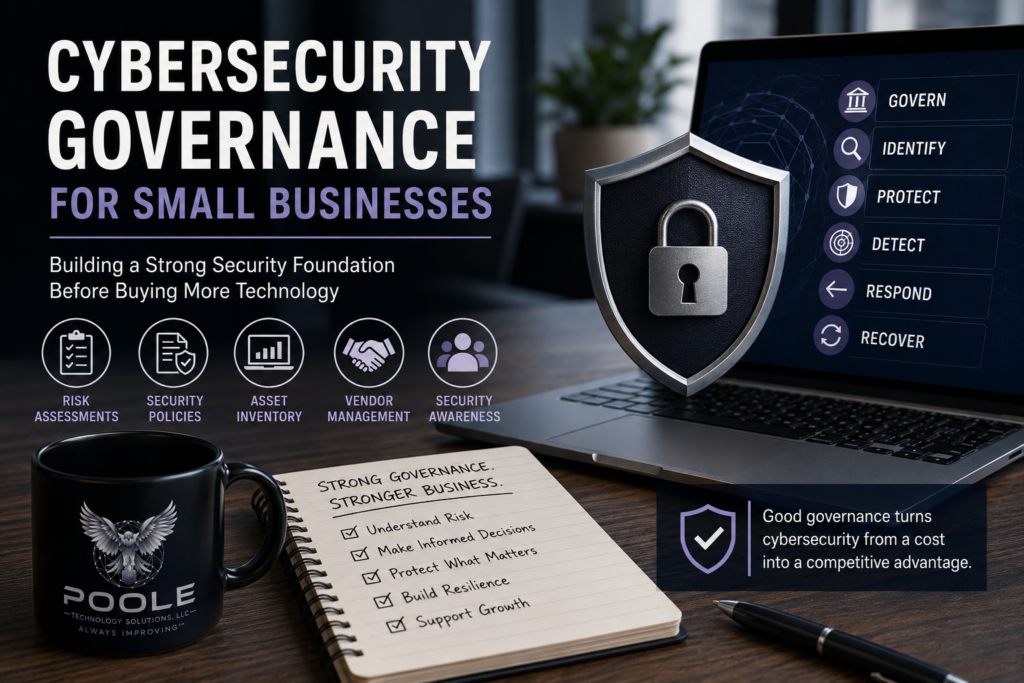
Many small businesses invest in cybersecurity tools but overlook the governance practices that make those tools effective. Learn how cybersecurity governance, risk assessments, security policies, and the NIST Cybersecurity Framework (CSF) 2.0 can help your organization build a stronger security foundation and better manage cyber risk.
Fake Recruiters on LinkedIn: How to Protect Yourself and Your Business
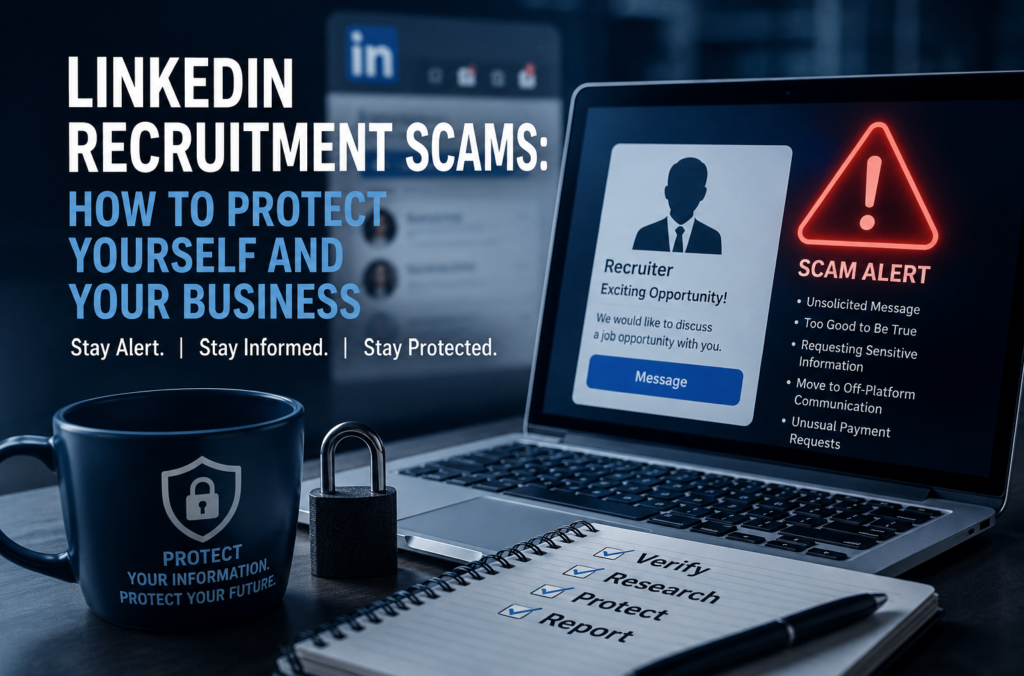
LinkedIn and online job platforms have become valuable tools for career growth, but cybercriminals and foreign threat actors are increasingly using them to target professionals and businesses. Learn how to identify fake recruiters, protect sensitive information, and reduce your risk.
The AI Security Wake Up Call: How SMBs Can Safely Adopt Artificial Intelligence
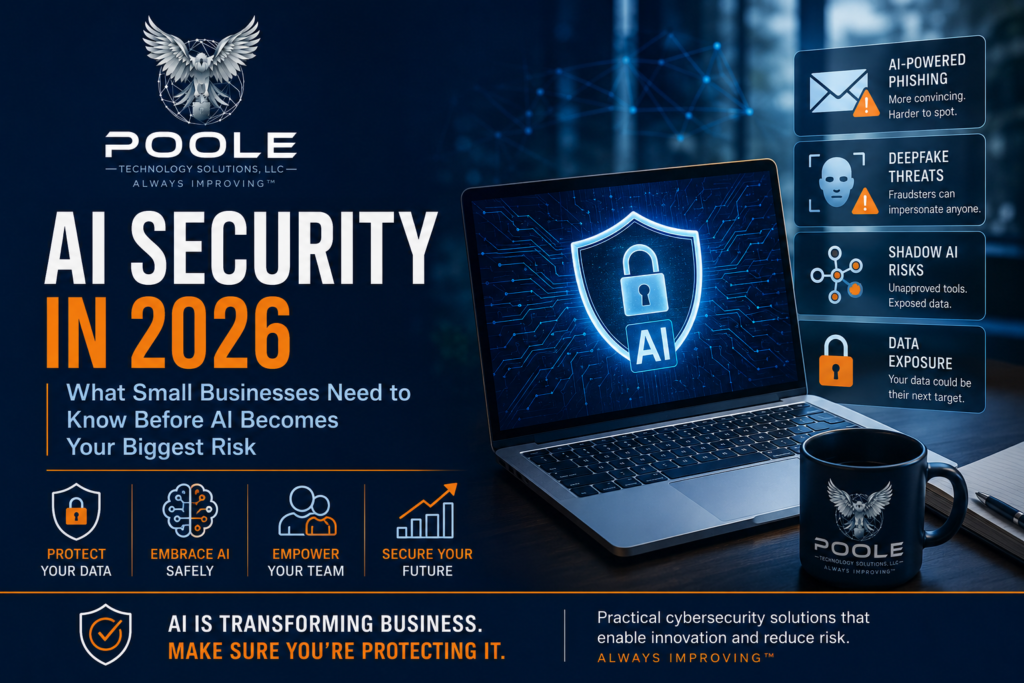
The race to adopt artificial intelligence is accelerating across nearly every industry. Organizations are integrating AI into business operations to improve productivity, reduce costs, and gain competitive advantages. Yet many small businesses are discovering that rapid adoption often outpaces security planning.
Cybercriminals have noticed the same trend.
Attackers are leveraging AI to create more convincing phishing campaigns, automate reconnaissance activities, and increase the scale and speed of attacks. As businesses expand their use of AI technologies, cybersecurity strategies must evolve alongside them.
The organizations that gain the greatest value from AI will not necessarily be those adopting it the fastest. They will be the organizations implementing it securely from the beginning.
Quishing: The Rising QR Code Threat Businesses and Consumers Must Understand
QR codes have become a convenient part of everyday life, but cybercriminals are now exploiting them through a growing threat known as quishing. This form of social engineering hides malicious links inside QR codes delivered through emails, text messages, and even physical advertisements. Learn how quishing attacks work, what warning signs to look for, and the steps businesses and individuals can take to reduce the risk.
AI in 2026: Why Security Must Be the Foundation of the Next Technological Revolution
Artificial Intelligence is no longer experimental. In 2026, it is embedded in business operations, customer experiences, and everyday decision-making. As AI adoption accelerates, security, governance, and responsible use must move from afterthoughts to foundational requirements for organizations and consumers alike.